When Borders Can’t Stop Connection: The Story of the Bridges of Hope Project in Kenya
Bridges of Hope in Kakuma
How Nonviolent Communication is helping people from diverse communities build understanding, connection, and peace.
In a community shaped by displacement, trauma, and extraordinary cultural diversity, misunderstandings are inevitable. Different languages, customs, and histories can easily become barriers to trust. Yet amid these challenges, something is helping people discover another way of relating to one another.
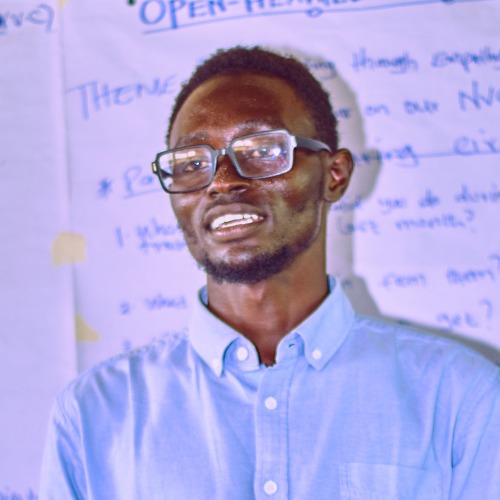
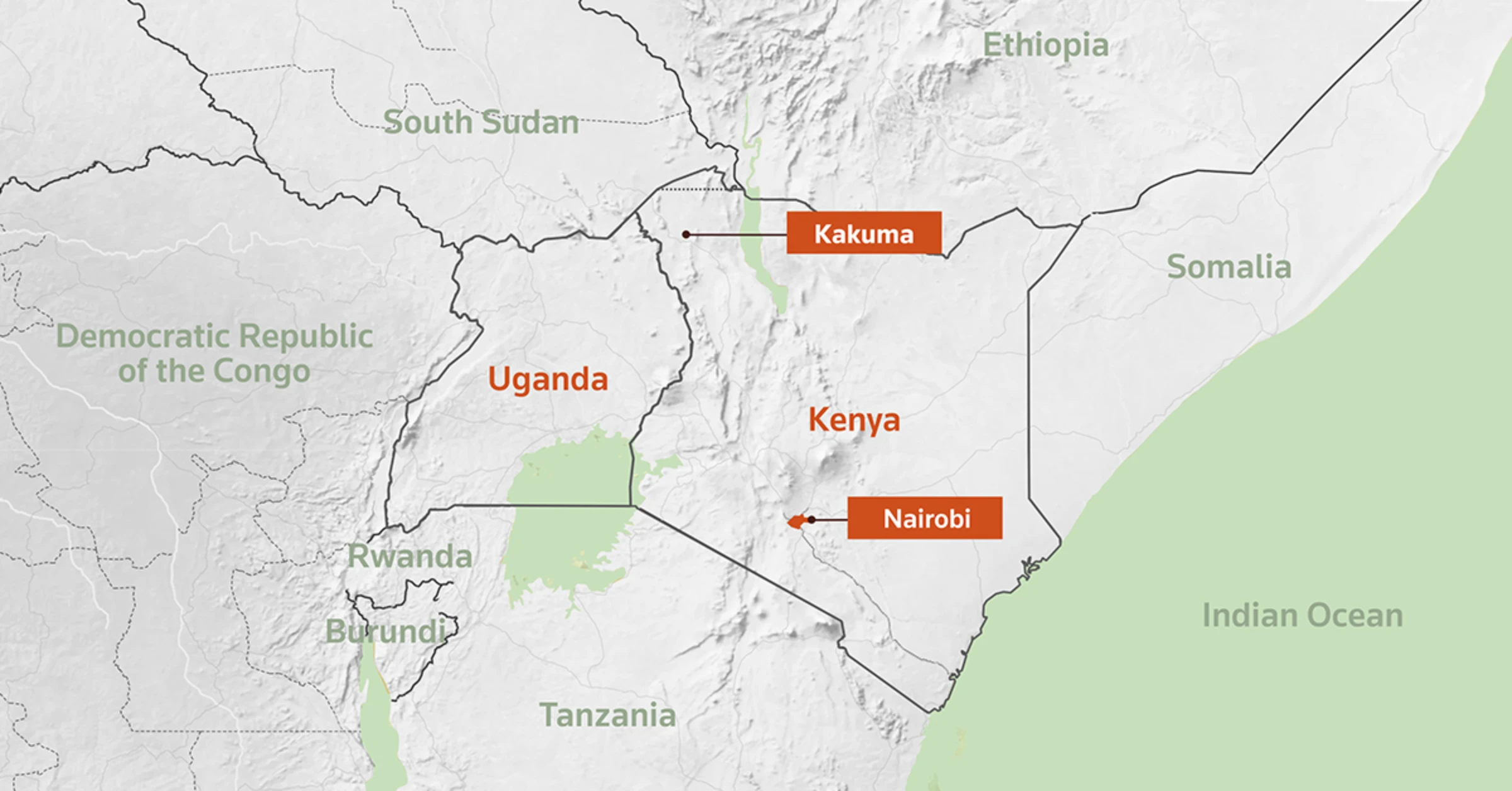
My name is Ezekiel Khamis Ali, and I would like to introduce you to the story of Bridges of Hope in Kakuma Refugee Camp, located in northwestern Kenya, near the borders with Uganda, South Sudan, and Ethiopia.
A community shaped by many journeys
Kakuma is home to people from many countries, cultures, languages, and traditions. Each person brings a unique story - of home and displacement, loss and resilience, uncertainty and hope.
For decades, Kakuma has welcomed people displaced by conflict and instability from across the region and beyond. For many, arriving in Kakuma means rebuilding daily life within a diverse community, often alongside people whose languages, customs, and experiences differ significantly from their own.
This diversity is a source of strength, but it can also present challenges. Experiences of displacement and trauma, combined with linguistic and cultural differences, can make everyday misunderstandings more difficult to navigate and, at times, contribute to tension between individuals and communities.
At the same time, Kakuma creates opportunities for people who might otherwise never have met to learn, work, play, and build relationships together.
It is within this environment that Bridges of Hope is exploring a simple but important question:
Can the way we communicate help us build bridges across our differences?
Learning a different way to communicate
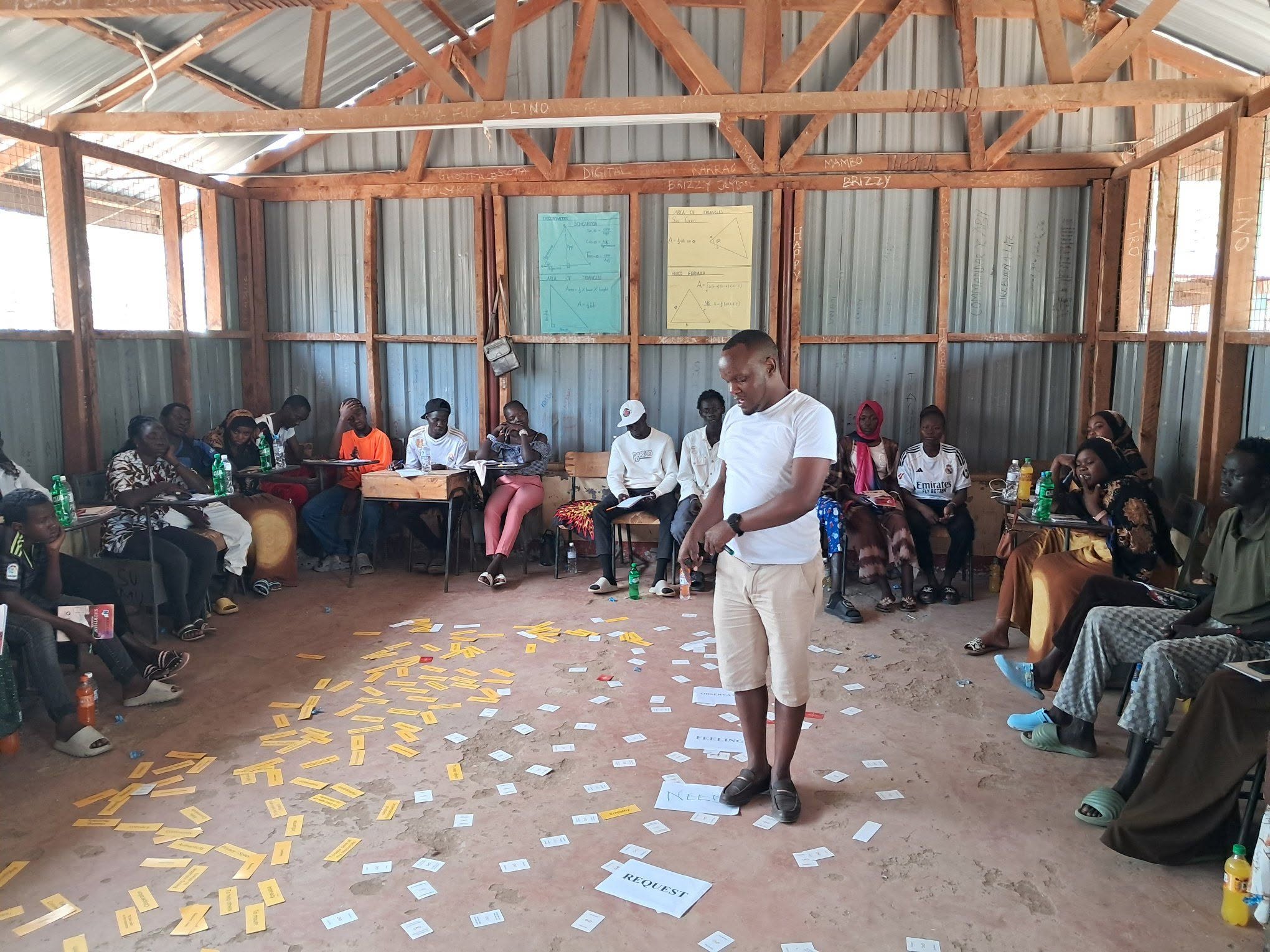
Since May 2025, Nonviolent Communication (NVC) has been introduced in Kakuma Refugee Camp as a practical tool to strengthen relationships, prevent conflict, and foster peaceful coexistence in the community home, which houses more than 500 people from different nationalities and cultural backgrounds.
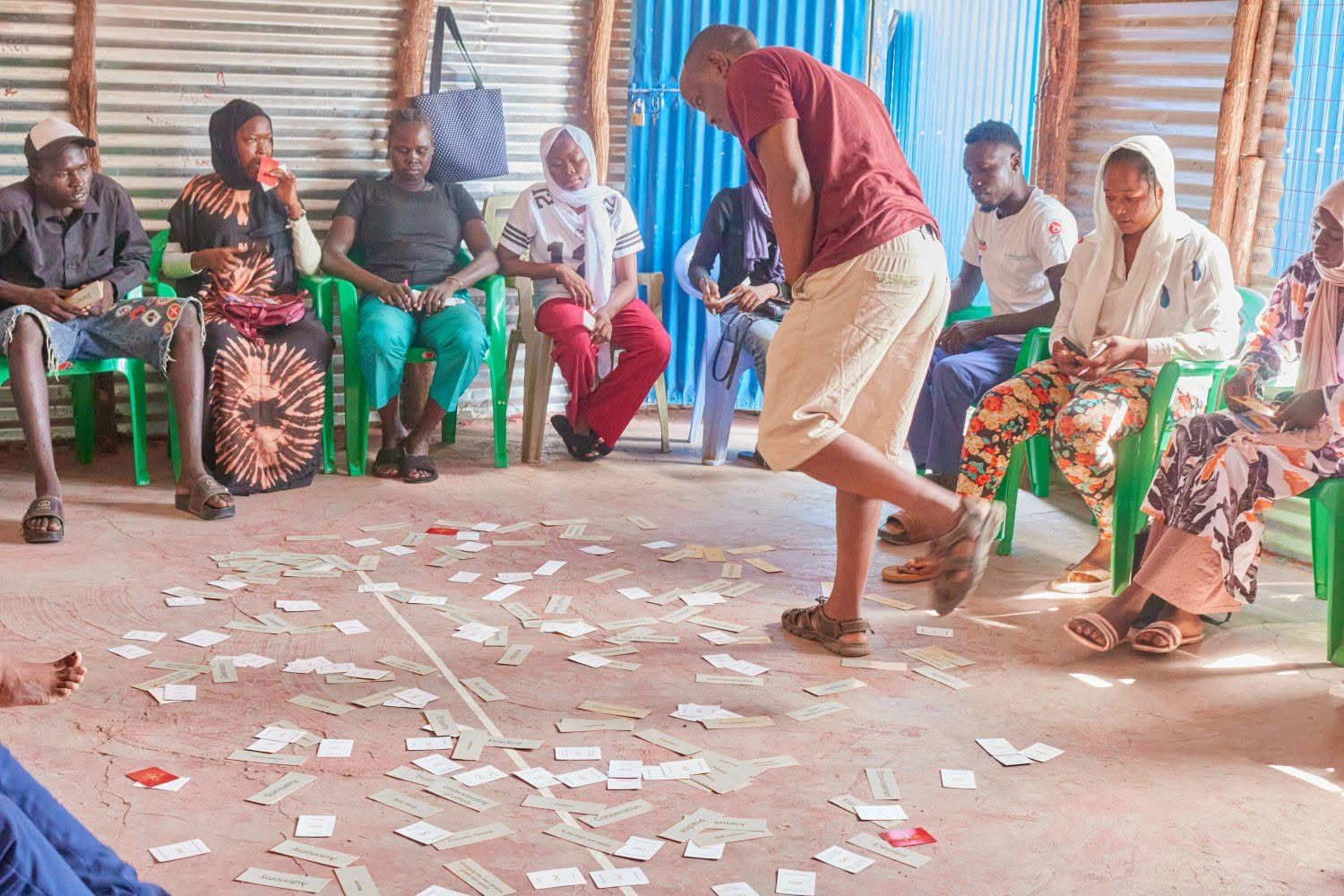
Rather than focusing only on resolving disputes after they arise, the project helps participants develop the skills to prevent conflict from escalating by learning to recognize feelings, understand needs, and communicate with empathy.
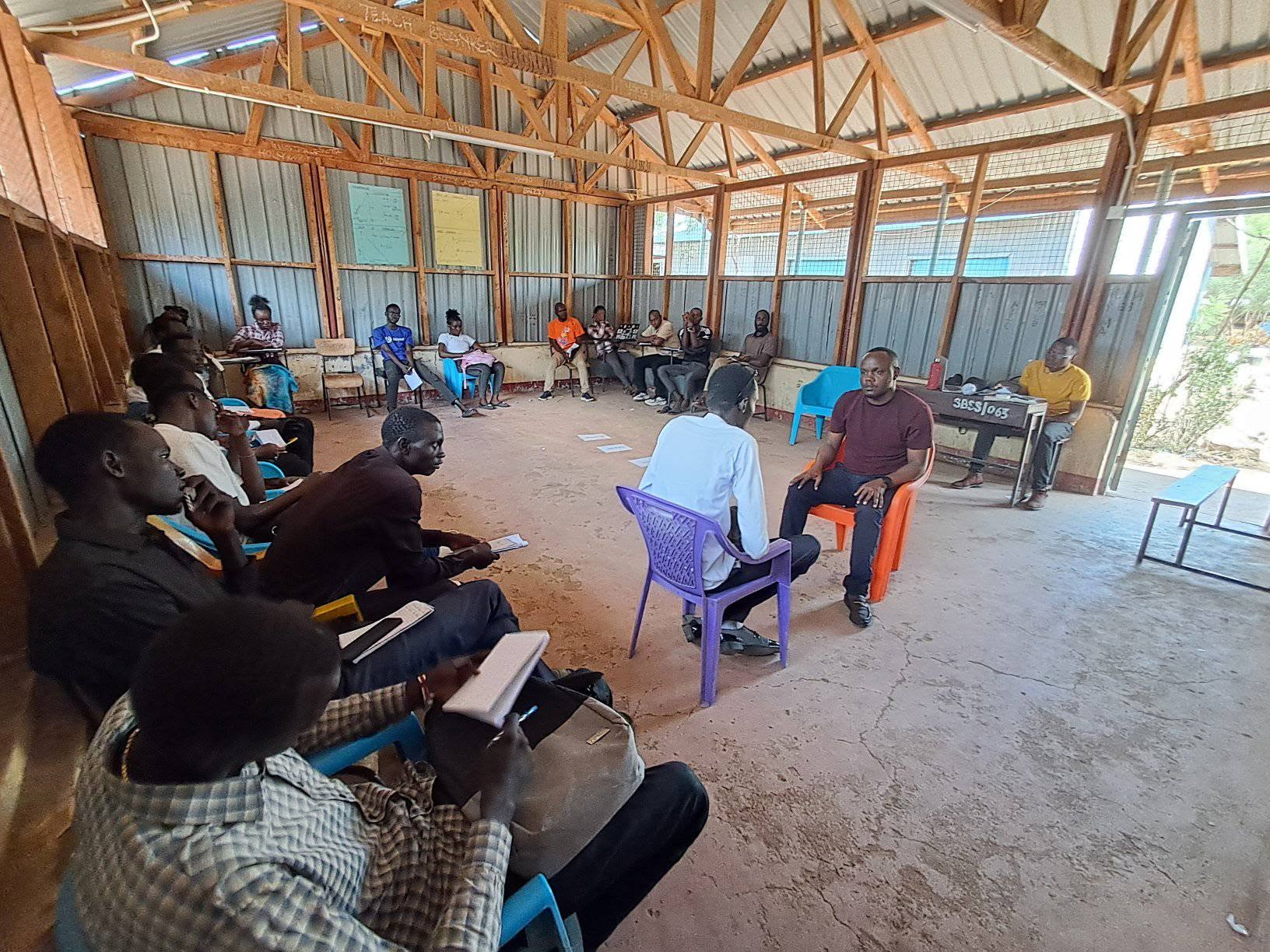
Teachers sit alongside students. Parents join youth leaders. Community elders share circles with people they may never have spoken to before.
Through role plays, dialogue circles, practical exercises, and reflective conversations, participants practice replacing blame with curiosity and judgment with understanding.
Learning beyond the classroom
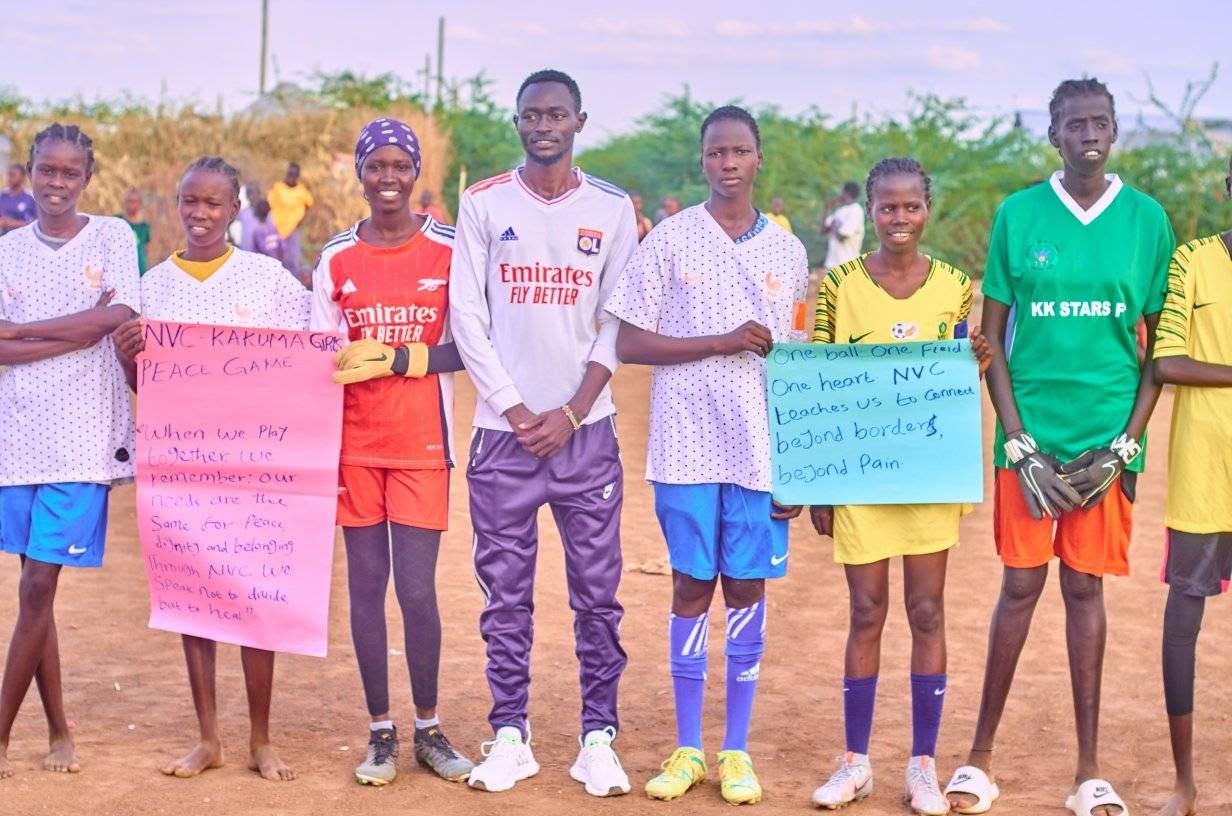
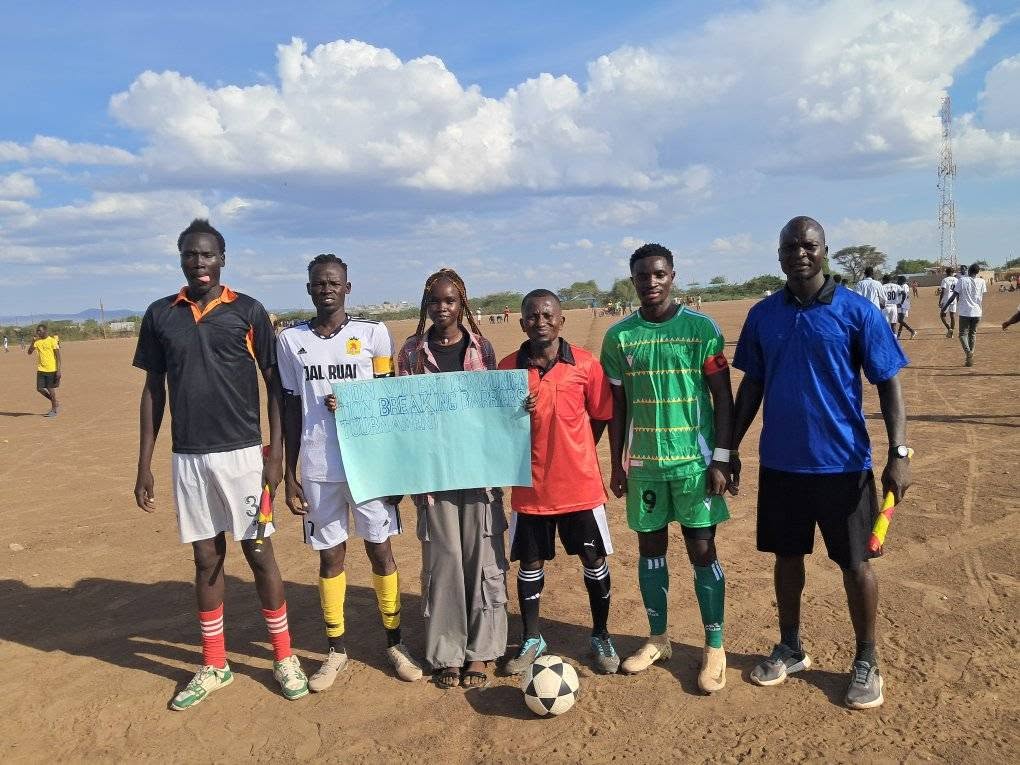
On football fields across Kakuma, young people from different nationalities who once kept to their own communities now play together as teammates.
Sports have become another classroom, where empathy, cooperation, and respectful communication are practiced in real time.
Peace begins with a conversation
In places marked by conflict, peace is often imagined as the absence of violence. Bridges of Hope offers another perspective.
Peace begins with a conversation. Sometimes, it begins with a single question:
“What might we be feeling and needing right now?”
Within the community, many participants who once struggled with frequent misunderstandings now communicate more openly and respectfully.
Families, youth, and community members have developed healthier ways of resolving disagreements, leading to stronger relationships and a greater sense of unity.
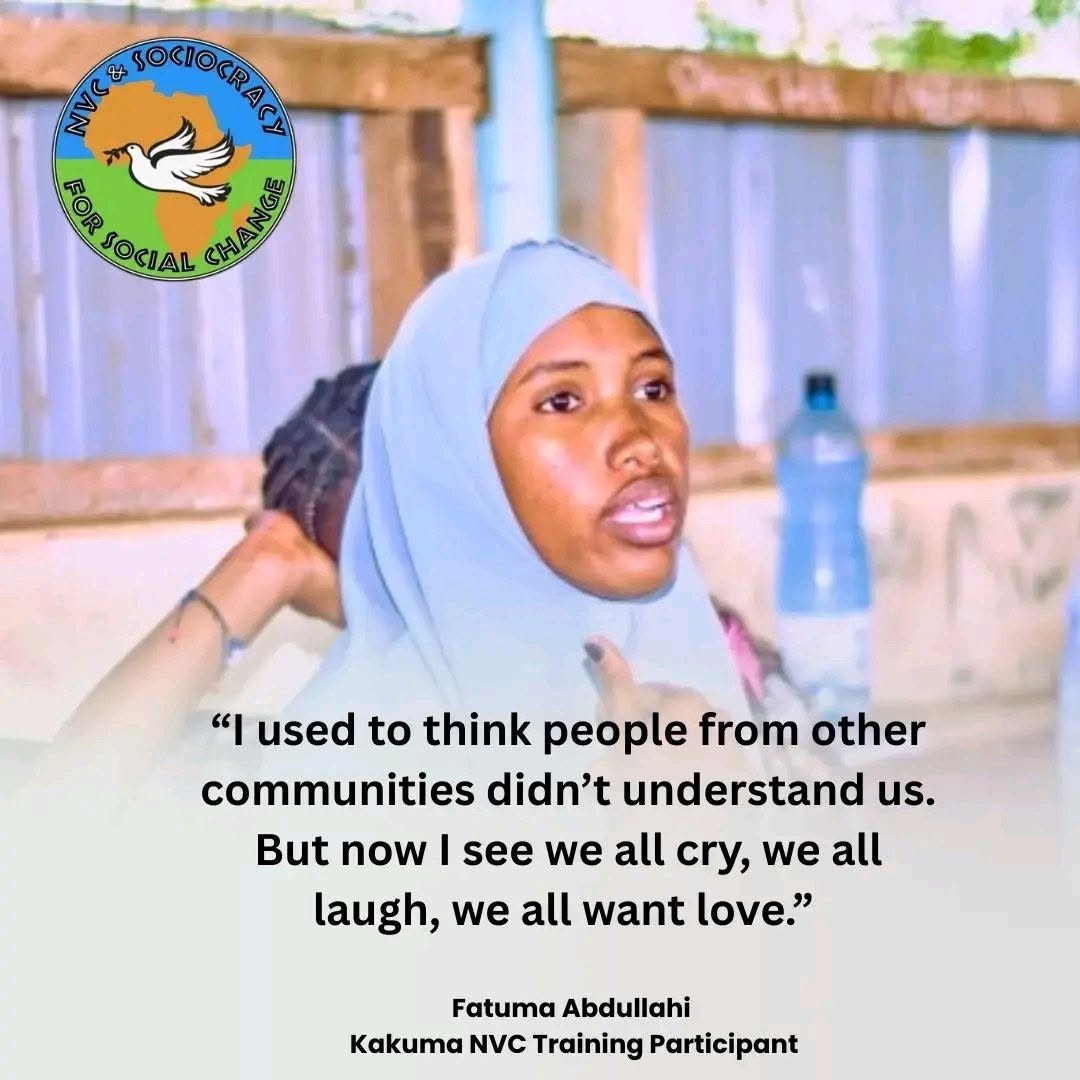
“I used to think people from other communities didn’t understand us. But now I see we all cry, we all laugh, we all want love.” — Fatuma Abdullahi, Kakuma NVC Training participant
The impact so far
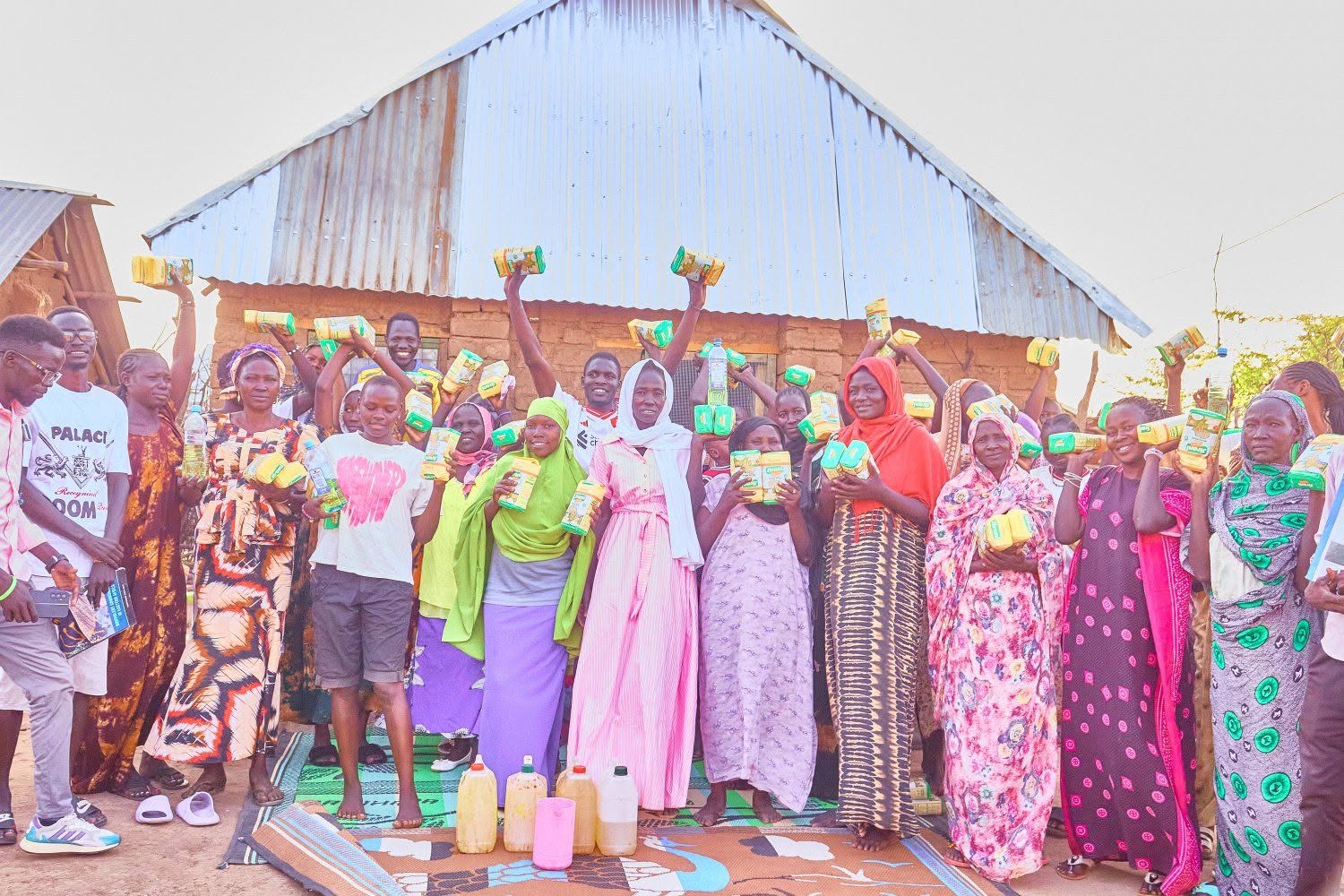
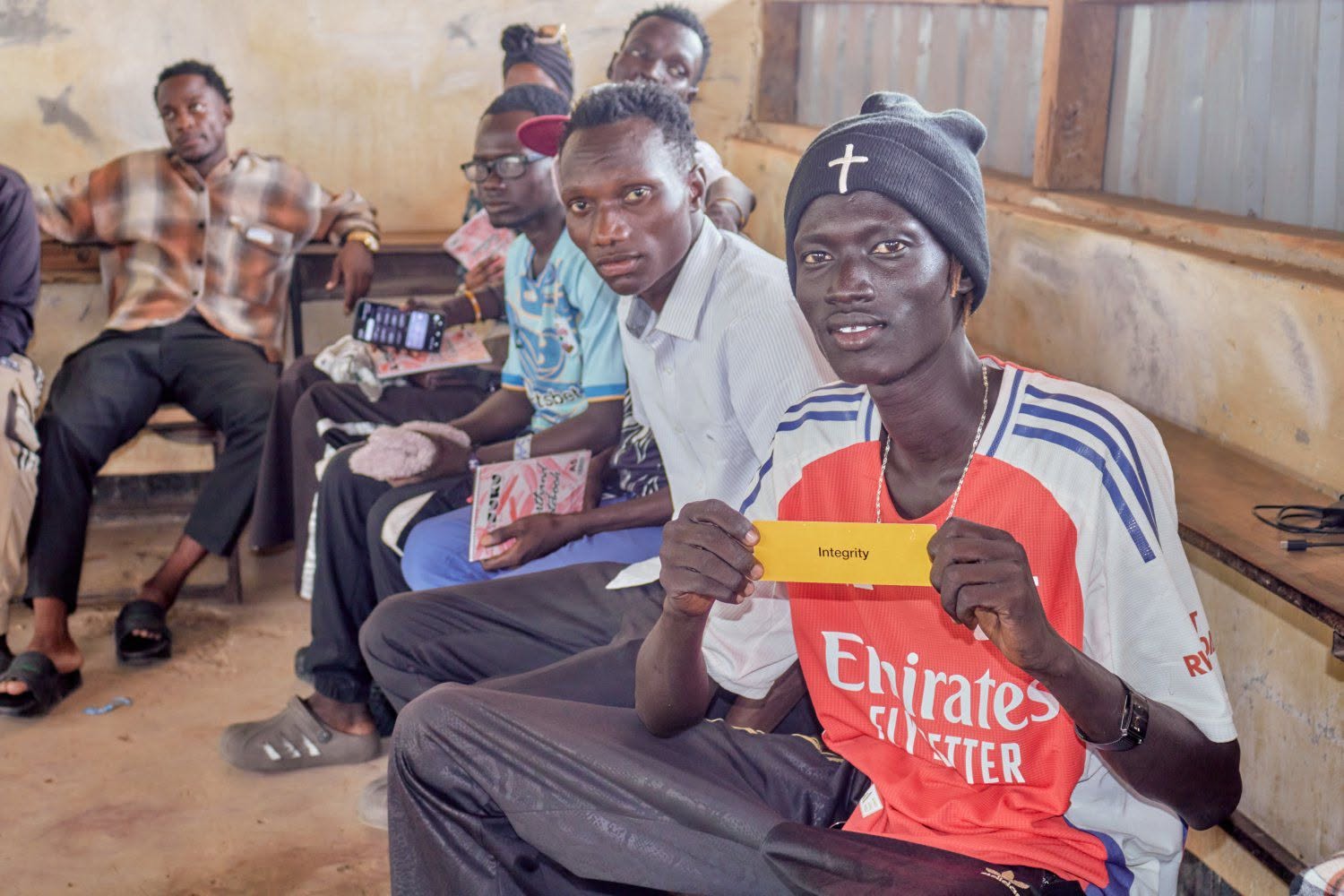
Since its launch, Bridges of Hope has conducted four NVC trainings, bringing together participants from nine refugee communities.
Meaningful changes are already emerging
- Refugees have become more confident in expressing themselves without violence, listening with empathy, and handling conflicts constructively.
- Many participants have taken these skills into their families, schools, workplaces, and community groups, creating a ripple effect of understanding and cooperation.
- The project has given many participants renewed hope that peaceful relationships are possible, even in challenging circumstances.
What if we dream together?
Bridges of Hope is currently seeking collaborators who can support:
- Facilitation and mentoring
- Youth leadership and Sports for Peace initiatives
- Training materials and educational resources
- Communications and storytelling
- Fundraising and organizational development
- Financial and logistical support to increase the project’s reach
Please get in touch with the certified trainers supporting the project:
Visit the Facebook Community →Are you inspired?
Giraffes Around the World was a space created by Marshall Rosenberg to share NVC initiatives within the IITs (International Intensive Trainings offered by CNVC).
Now, we want to expand that spirit to the entire global NVC community through these publications.
You are more than welcome to share your own NVC project with us here.
- Written with volunteer support from Renia Bielanska, Chavi Nieto, and Martijn Jansen
Related
Share this news: